
 Español
 English
 Português
00. Diagonal Norte
Diagonal Norte is one of the main avenues in Buenos Aires, known for its European-style architecture and historical importance.
Choose where to hop off based on your interests. Each stop connects nearby attractions and neighborhoods.
Diagonal Norte is one of the main avenues in Buenos Aires, known for its European-style architecture and historical importance.
The Argentine National Congress is an impressive neoclassical building located in the Plaza del Congreso.
Cartoon Walk is a cultural route that pays tribute to Argentina’s most beloved comic characters.
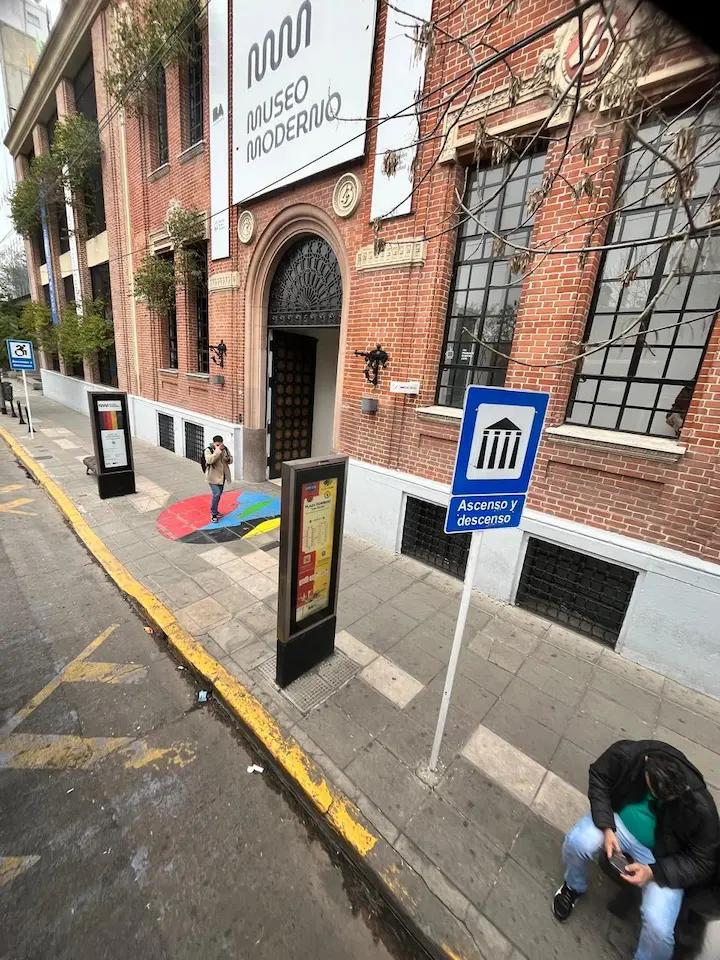
San Telmo is one of the oldest and most traditional neighborhoods in Buenos Aires, famous for its cobblestone streets, colonial architecture and vibrant art scene.
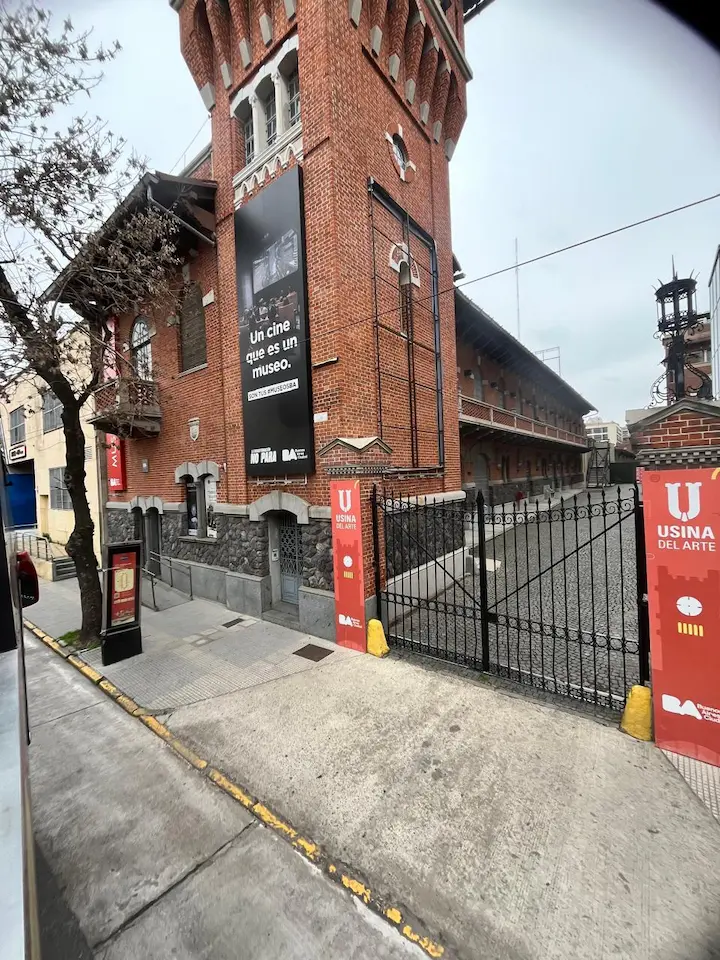
The Usina del Arte is a cultural center located in a historic building that used to be an electric power plant.
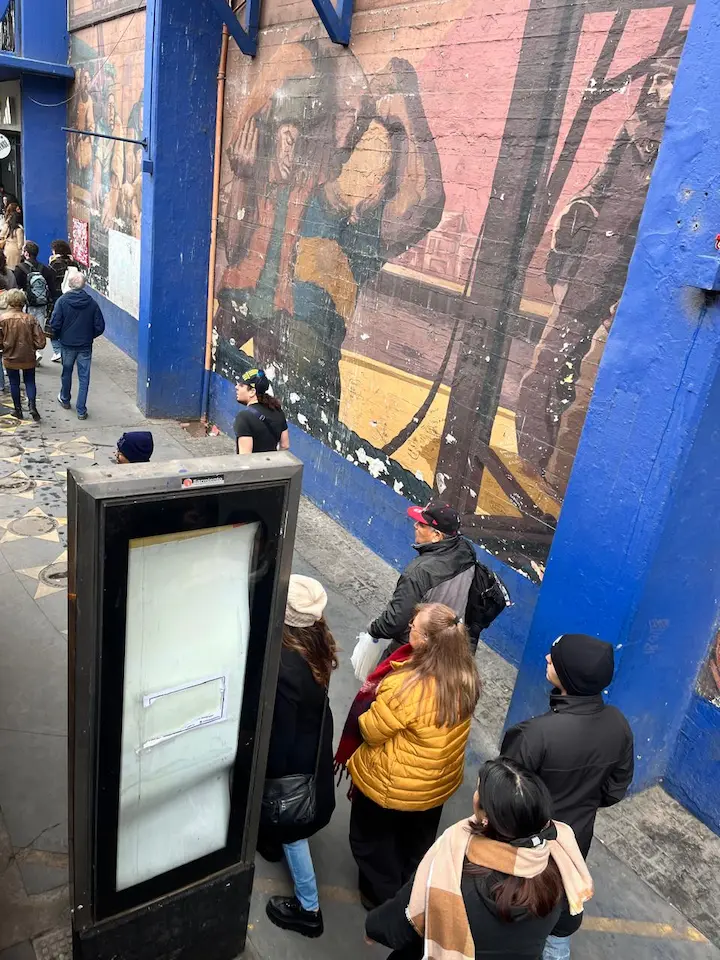
La Bombonera, the stadium of Club Atlético Boca Juniors, is a symbol of the soccer passion of Buenos Aires.

Caminito, in the La Boca neighborhood, is one of Buenos Aires’ most iconic streets.
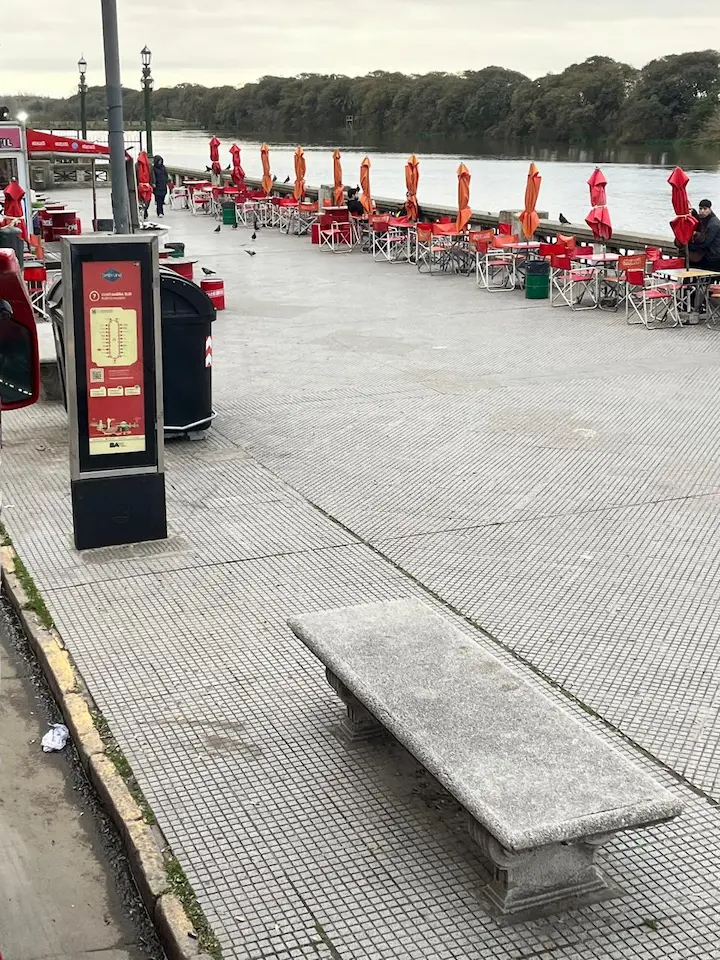
The Costanera Sur is a coastal walk that borders the Ecological Reserve, a vast green space that offers a natural respite in the middle of the city.
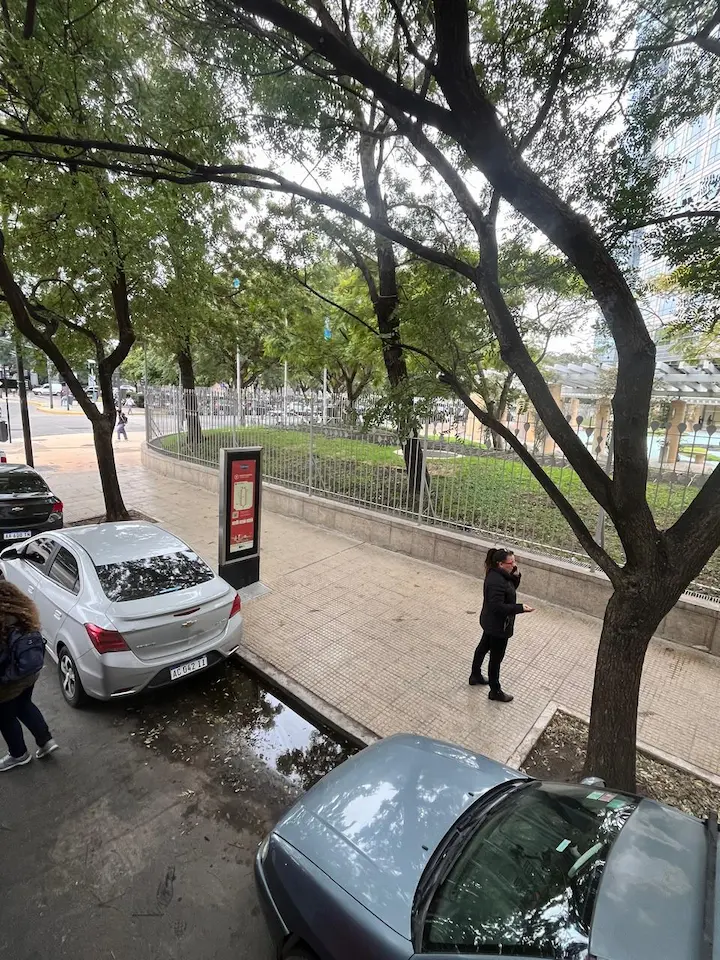
Puerto Madero is the most modern neighborhood in Buenos Aires, characterized by its skyscrapers, luxury hotels and a wide gastronomic offer.
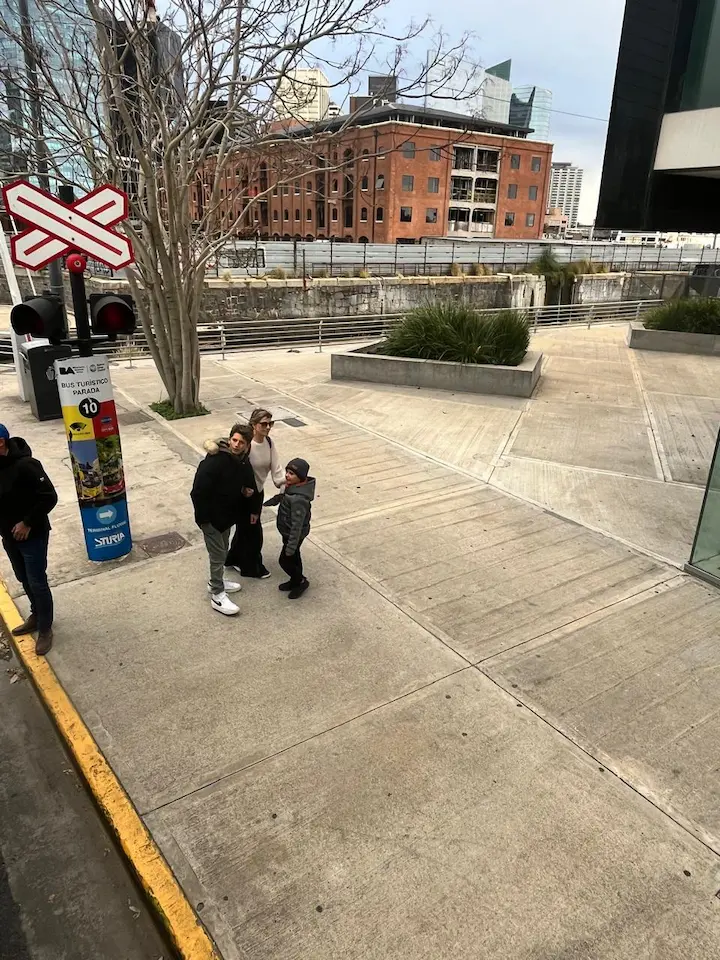
The Fluvial Station is the starting point for numerous boat excursions along the Río de la Plata and the Paraná Delta.
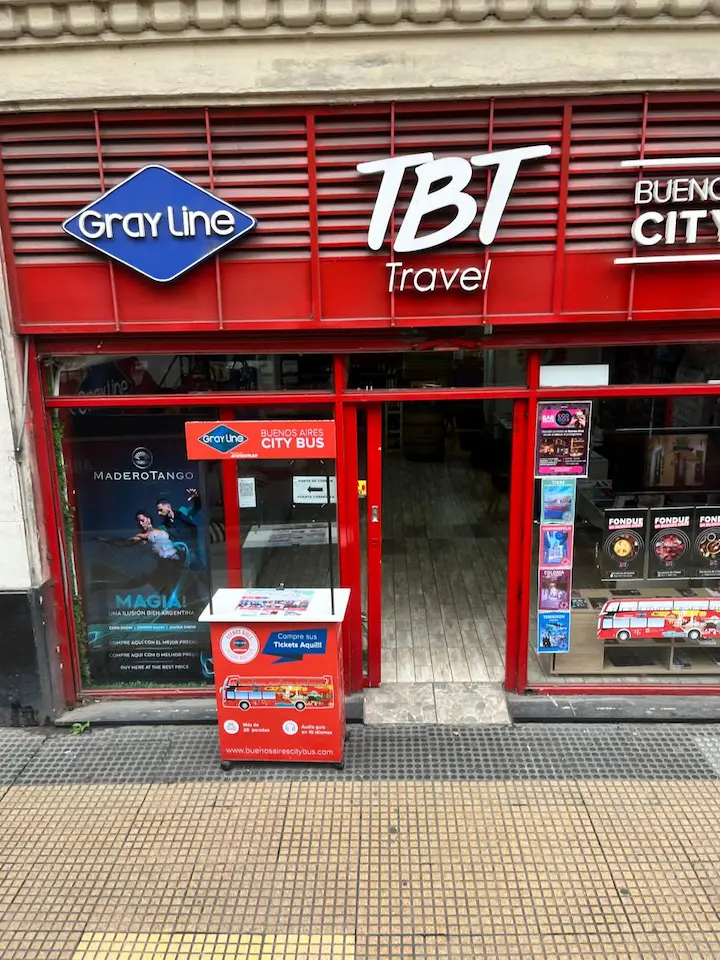
Galerías Pacífico is one of the most elegant shopping centers in Buenos Aires, located in a historic building that stands out for its architecture and its murals.
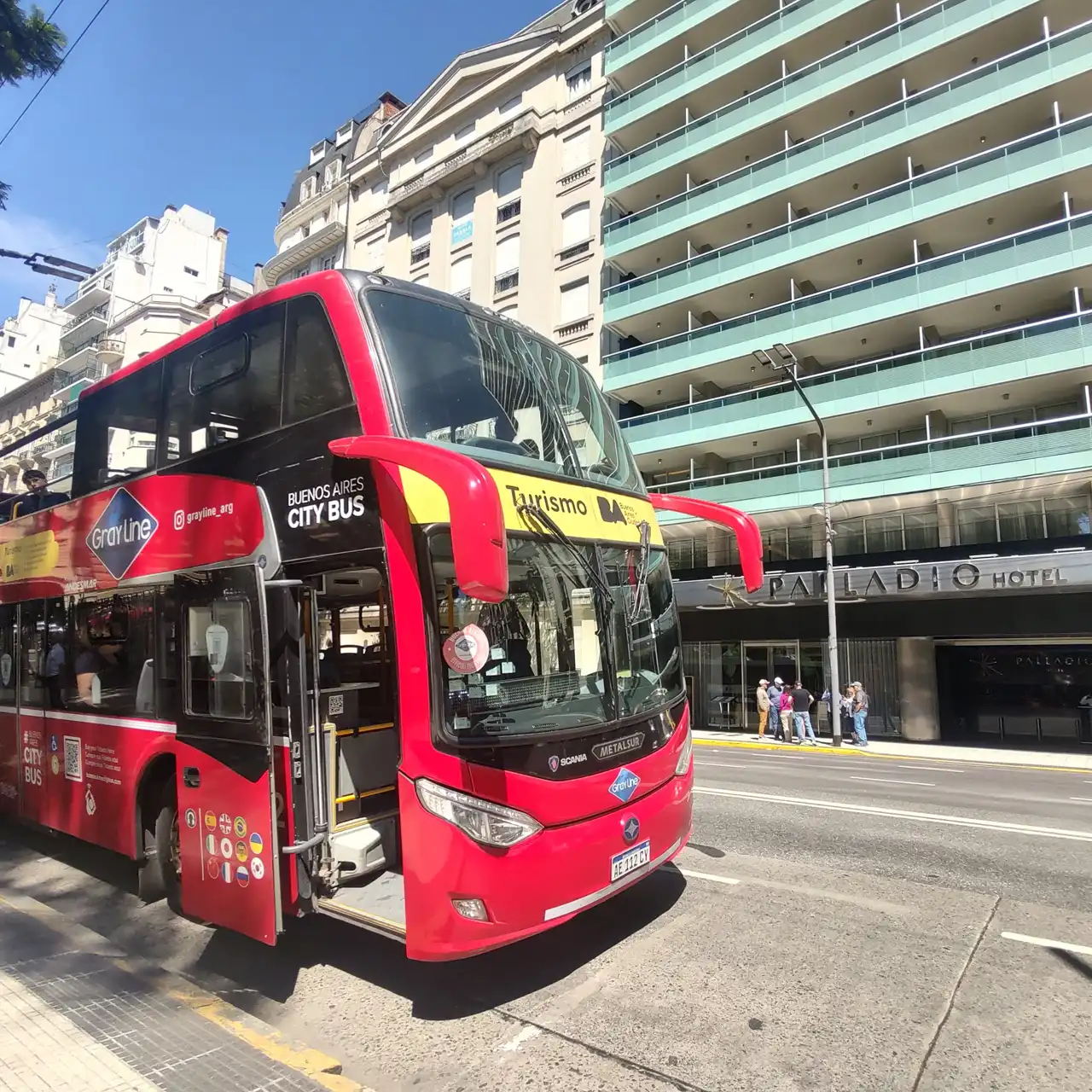
El Ateneo Grand Splendid is one of the most beautiful bookstores in the world, housed in a former theater from the early 20th century.
The Plaza San Martín is one of the most important green spaces in Buenos Aires, surrounded by historic buildings and monuments.
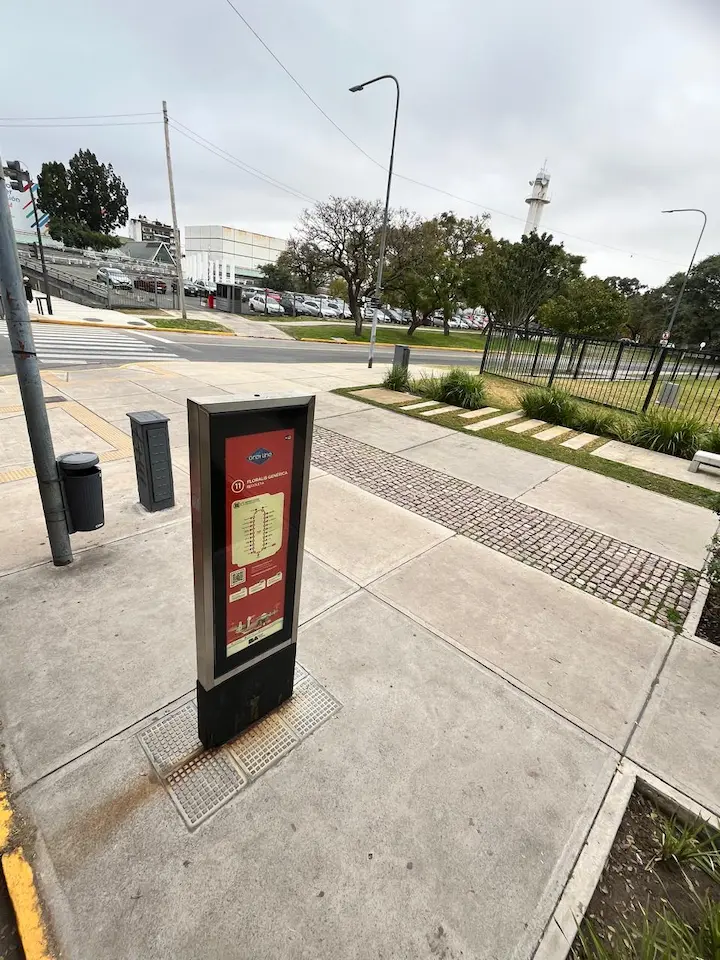
The Floralis Genérica is a metal sculpture located in the United Nations Plaza.
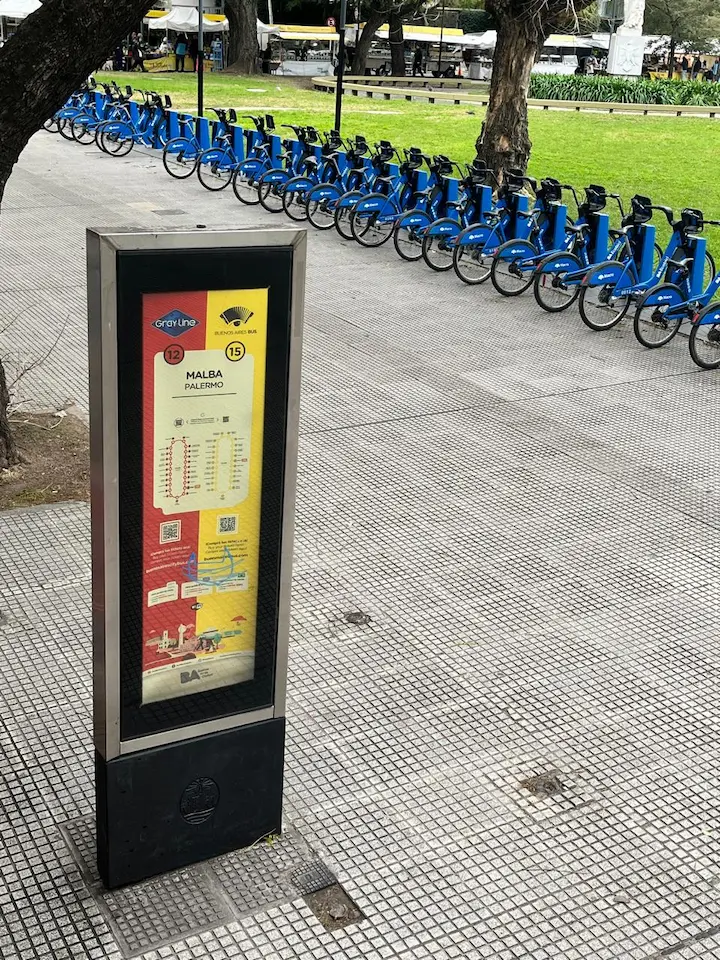
The Museum of Latin American Art of Buenos Aires (MALBA) is one of the most important cultural institutions in the city.
The Galileo Galilei Planetarium is a scientific dissemination center dedicated to astronomy.
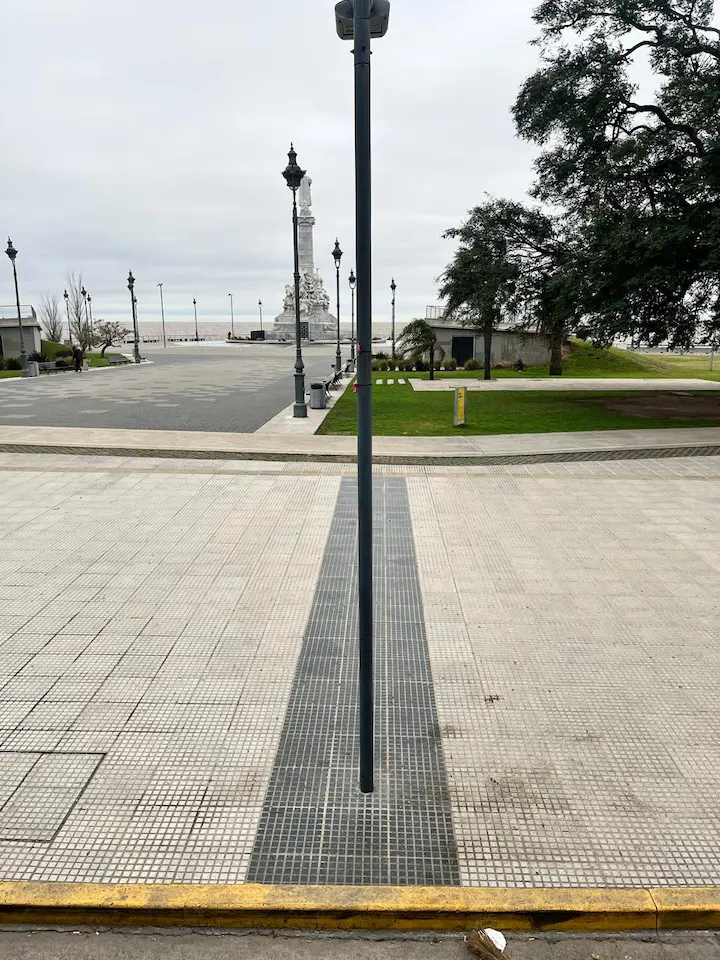
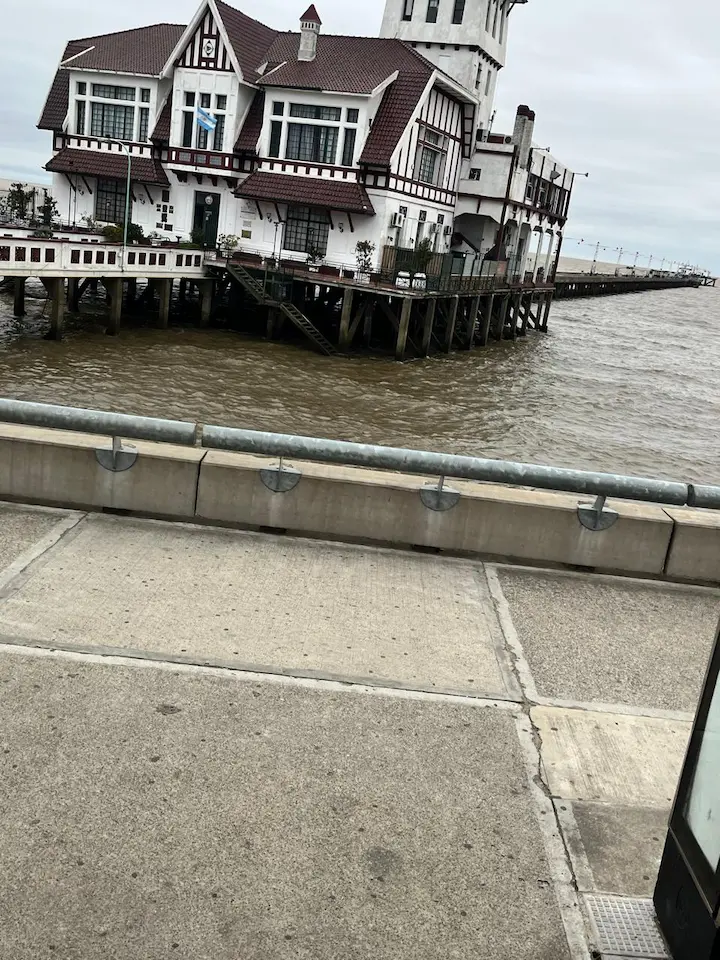
The Fishermen’s Club (Club de Pescadores) is a historic institution on the Costanera Norte.
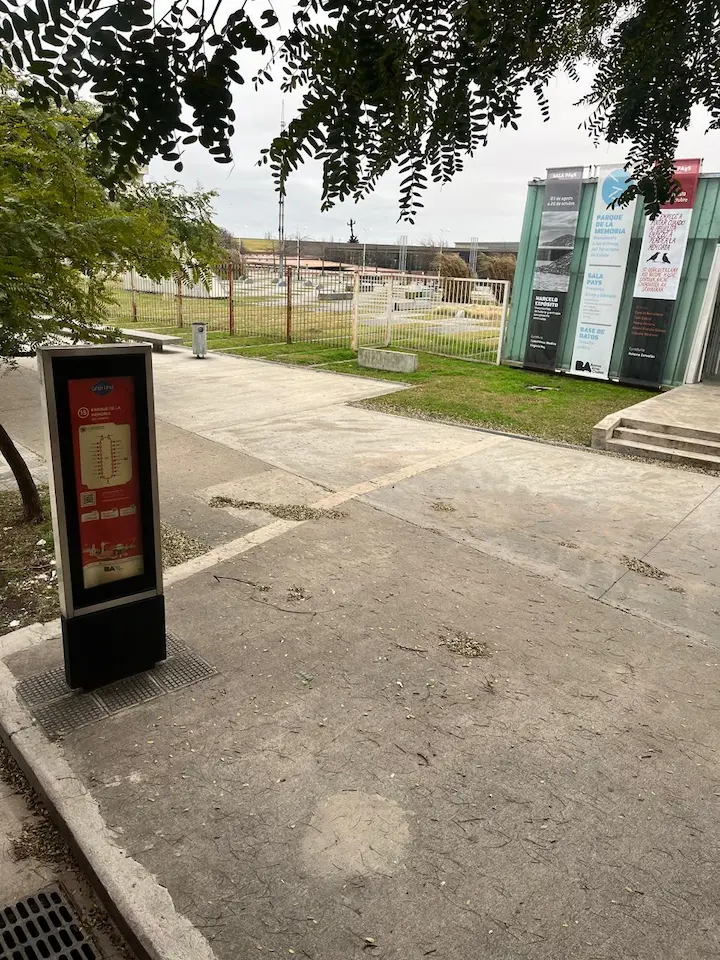
The Aeroparque Jorge Newbery is one of the main airports in Buenos Aires, located on the banks of the Río de la Plata.

The Memory Park is a space dedicated to commemorating the victims of state terrorism in Argentina.
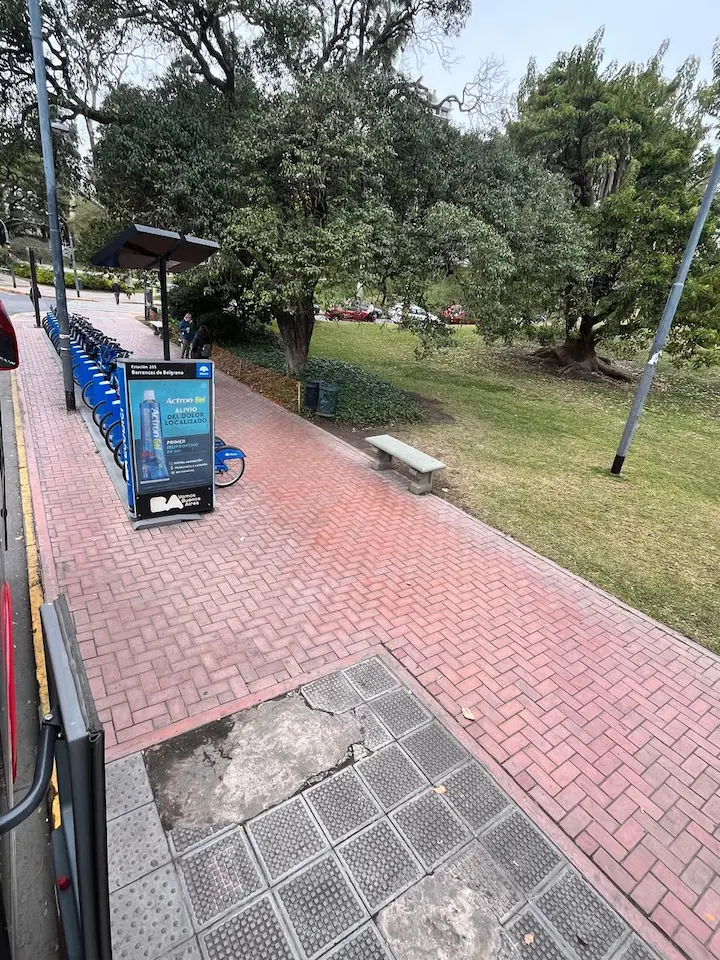
The Monumental Stadium, officially known as Antonio Vespucio Liberti Monumental Stadium, is the stadium of Club Atlético River Plate, one of the most important football teams in Argentina.

The Chinatown of Buenos Aires, located in the Belgrano neighborhood, is a colorful and vibrant cultural enclave that offers a unique experience.
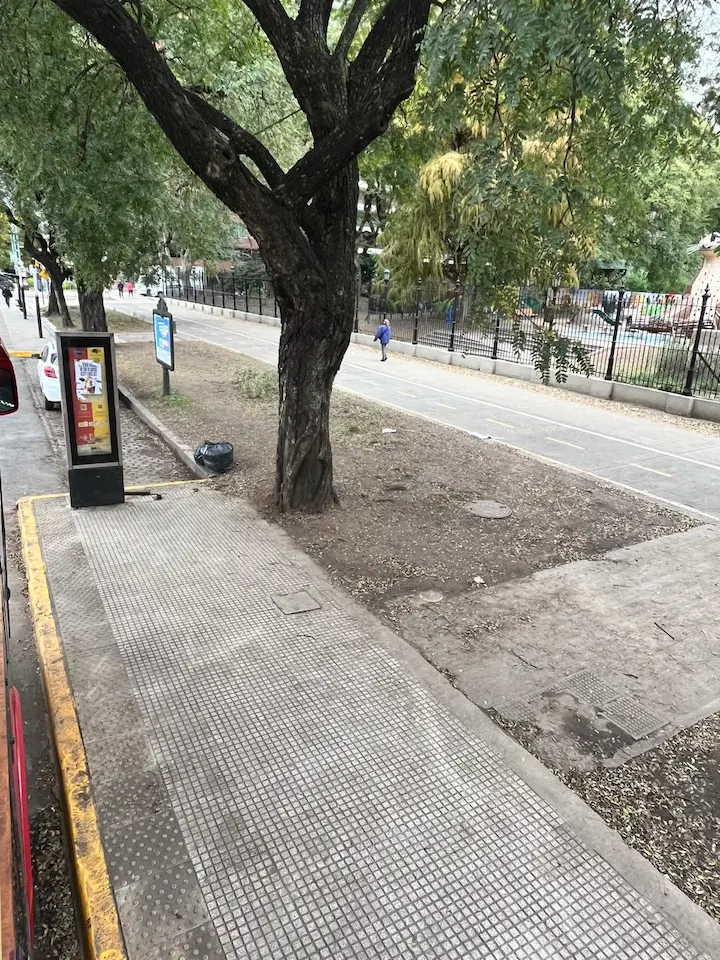
The Campo Argentino de Polo, also known as the Polo Cathedral, is one of the most important polo stadiums in the world.
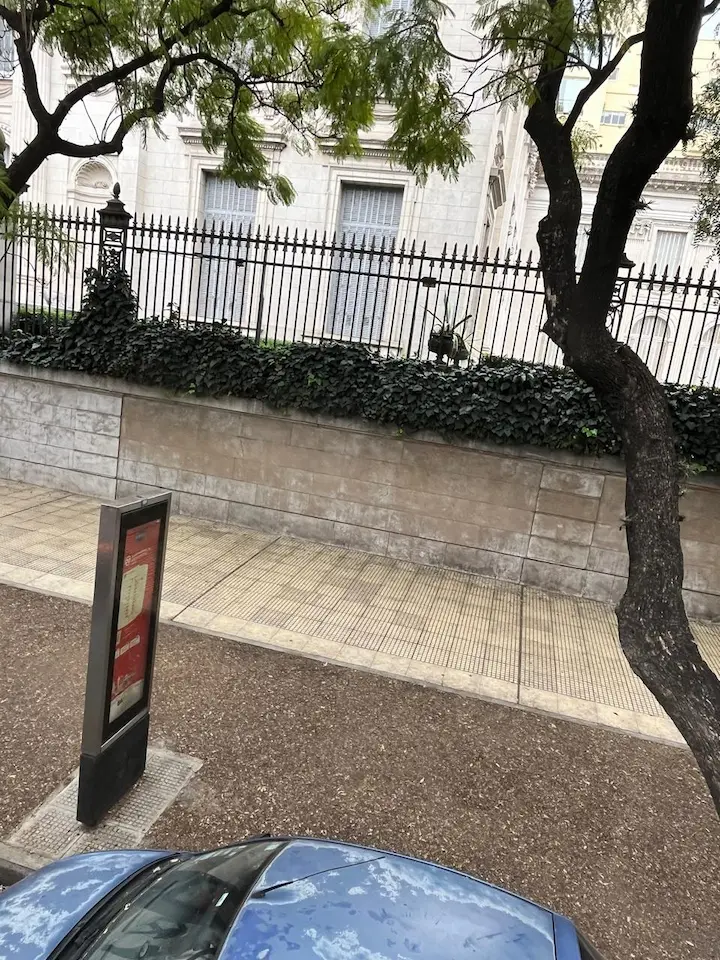
The Monument to the Spanish, officially known as the Monument to the Magna Carta and the Four Argentine Regions, is a majestic sculpture located at the intersection of Del Libertador avenues and Sarmiento.
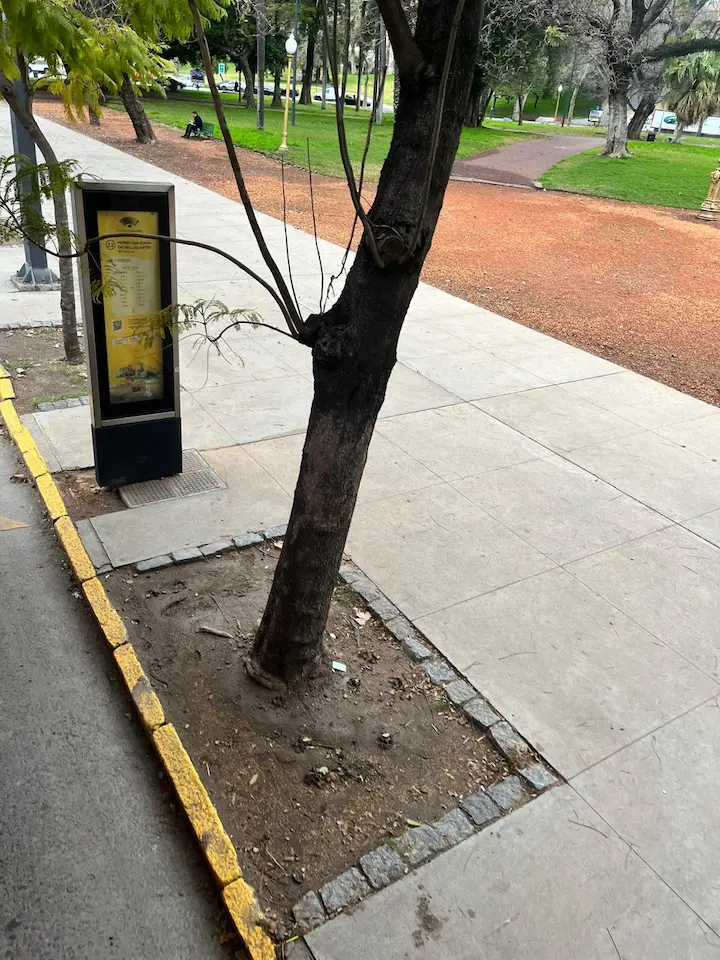
The National Museum of Decorative Art is an architectural and cultural jewel located in the Recoleta neighborhood.
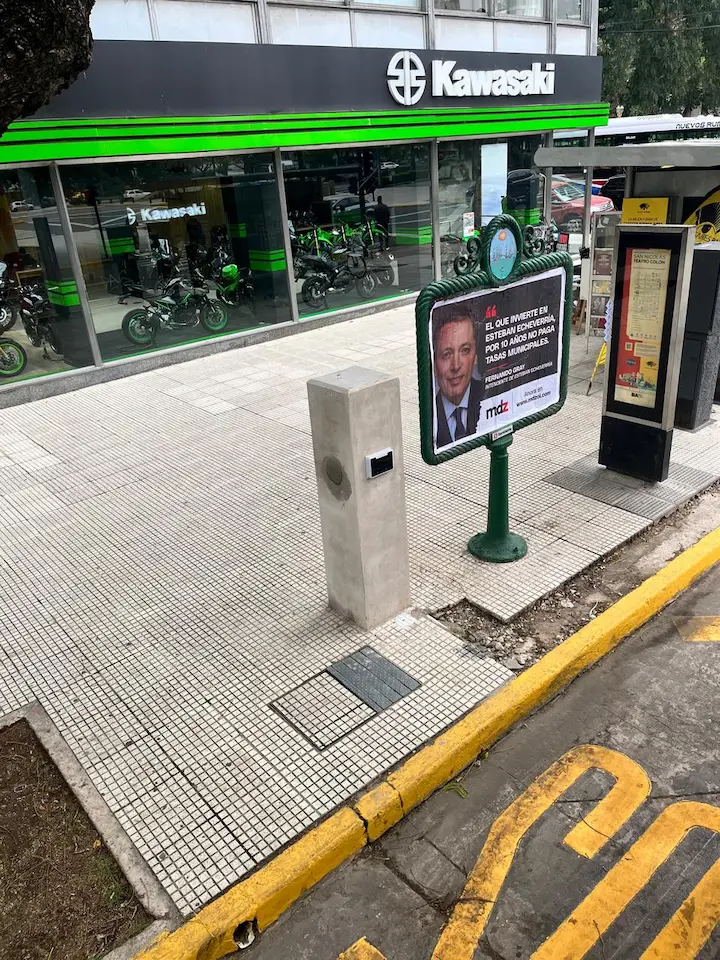
Recoleta is one of the most elegant and cultural neighborhoods in Buenos Aires, known for its French-style architecture, its cafes and its vibrant cultural life.
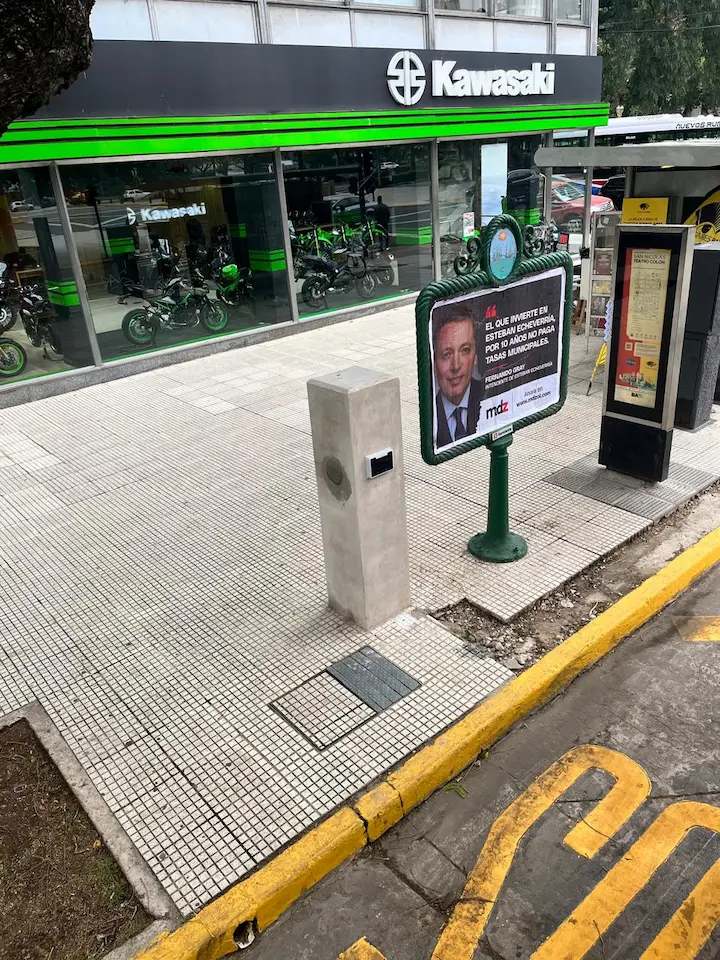
The Teatro Colón is one of the most prestigious opera houses in the world, known for its magnificent acoustics and opulent architecture.